
Innovative Creative Garden Layouts for Your Home
- Feb 2
- 4 min read
Transforming your outdoor space into a stunning retreat is easier than you think. With a bit of imagination and some practical tips, you can create a garden that’s both beautiful and functional. Whether you have a small backyard or a sprawling garden, innovative creative garden layouts can make all the difference. Let me guide you through some fresh ideas that will inspire you to rethink your garden space.
Embrace Creative Garden Layouts for Maximum Impact
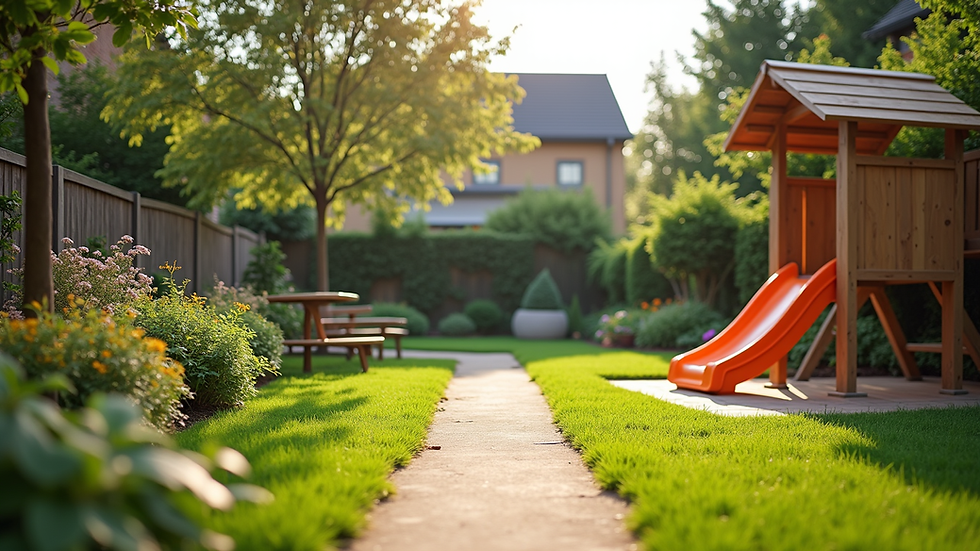
When planning your garden, think beyond the traditional rows of plants. Creative garden layouts can turn your outdoor area into a dynamic and inviting space. Start by considering the shape and size of your garden. Use curves instead of straight lines to add softness and flow. For example, a winding path made of natural stone can lead visitors through different garden zones, such as a flower bed, a vegetable patch, or a seating area.
You can also play with levels. Raised beds or terraced sections add depth and interest, especially if your garden is on a slope. These features not only look great but also make gardening easier by reducing the need to bend down.
Here are some layout ideas to consider:
Zoning: Divide your garden into distinct areas for dining, relaxing, and gardening.
Symmetry vs. Asymmetry: Symmetrical layouts offer a formal look, while asymmetrical ones feel more natural and relaxed.
Focal Points: Use sculptures, water features, or a striking plant to draw the eye.
By mixing these elements, you create a garden that feels balanced and inviting.

Incorporate Sustainable and Low-Maintenance Features
One of the best ways to innovate your garden is by making it sustainable and easy to care for. This approach saves you time and helps the environment. Start by choosing native plants that thrive in your local climate. They require less water and are more resistant to pests.
Consider installing a rainwater harvesting system to water your plants naturally. You can also use mulch to retain soil moisture and reduce weeds. For hard landscaping, opt for permeable materials like gravel or porous paving stones that allow rainwater to soak into the ground.
Here are some practical tips:
Use drought-tolerant plants such as lavender, sedum, or ornamental grasses.
Add a compost bin to recycle garden waste and enrich your soil.
Install solar-powered garden lights to brighten your space without increasing your energy bill.
These features not only make your garden greener but also reduce the effort needed to keep it looking great.
Add Functional Outdoor Living Spaces
Your garden can be more than just a place for plants. By adding functional outdoor living spaces, you create an extension of your home. Think about what you enjoy most - dining al fresco, reading in the sun, or hosting friends.
A simple patio with comfortable seating and a fire pit can become your favourite spot. If space allows, build a pergola or gazebo for shade and shelter. Outdoor kitchens and BBQ areas are perfect for summer gatherings.
Don’t forget lighting. Soft, warm lights create a cosy atmosphere in the evenings. String lights, lanterns, or spotlights can highlight key features like trees or pathways.
Here’s how to get started:
Choose durable, weather-resistant furniture.
Use cushions and throws in colours that complement your garden.
Add planters with herbs or flowers to bring greenery close to your seating area.
By blending comfort with style, your garden becomes a welcoming retreat all year round.

Play with Colour and Texture for Visual Interest
Colour and texture are powerful tools in garden design. They can transform a plain space into a vibrant, engaging environment. Mix plants with different leaf shapes, sizes, and colours to create layers of interest.
For example, combine soft, feathery grasses with bold, glossy leaves. Add flowering plants that bloom at different times to keep your garden colourful throughout the seasons. Don’t be afraid to use unexpected colours like deep purples or bright oranges to make a statement.
You can also introduce texture through hard landscaping elements. Rough stone walls, smooth wooden benches, and shiny metal sculptures add contrast and depth.
Try these ideas:
Plant a mix of evergreen and deciduous shrubs for year-round structure.
Use gravel or bark mulch to add texture to paths and beds.
Incorporate water features like a small pond or fountain for movement and sound.
This approach keeps your garden lively and interesting, no matter the time of year.
Practical Tips for Implementing Your Garden Vision
Starting a garden project can feel overwhelming, but breaking it down into manageable steps helps. First, sketch your garden layout on paper or use a digital tool. Mark existing features and decide what to keep or remove.
Next, prioritise the major elements like paths, patios, and planting beds. Install these before adding smaller details. When choosing plants, consider their mature size and growth habits to avoid overcrowding.
Maintenance is key to keeping your garden looking its best. Set a schedule for watering, pruning, and feeding plants. Group plants with similar needs together to simplify care.
If you want expert help, local landscaping companies can offer advice and services tailored to your area. They understand the soil, climate, and style preferences common in Stockport and Cheshire.
For inspiration and professional support, explore garden landscaping ideas that suit your home and lifestyle.
Your Garden, Your Sanctuary
Creating a garden that reflects your personality and meets your needs is incredibly rewarding. With innovative creative garden layouts, sustainable choices, functional spaces, and a splash of colour and texture, your outdoor area can become a true sanctuary.
Remember, the best garden is one that you enjoy and feel proud of. Take your time, experiment, and don’t be afraid to try new ideas. Soon, you’ll have a beautiful garden that’s perfect for relaxing, entertaining, and making memories.
Happy gardening!


Comments